EJOT’s Role in the Chornobyl New Safe Confinement
The Challenge: A Megaproject with Zero Margin for Error
Twenty-five years after the devastating 1986 nuclear disaster at Chornobyl’s Reactor Unit #4, the temporary steel-and-concrete "sarcophagus" hastily built to contain the radiation was rapidly deteriorating.Confronted with the threat of structural collapse and environmental contamination, the international community, led by the European Bank for Reconstruction and Development (EBRD) and the Novarka French consortium, embarked on one of the largest, most hazardous engineering feats in human history: the construction of the New Safe Confinement (NSC).
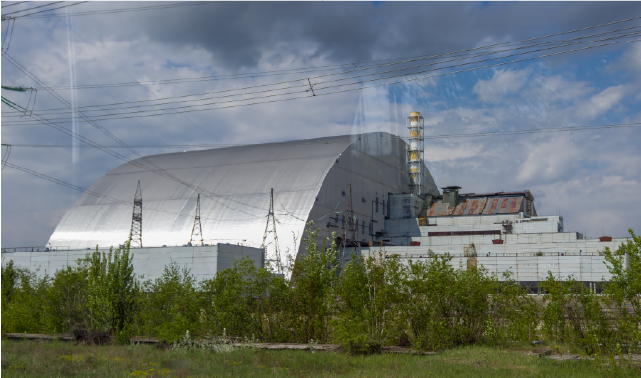
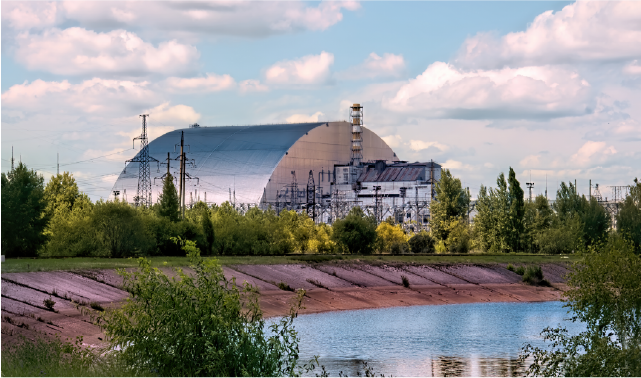
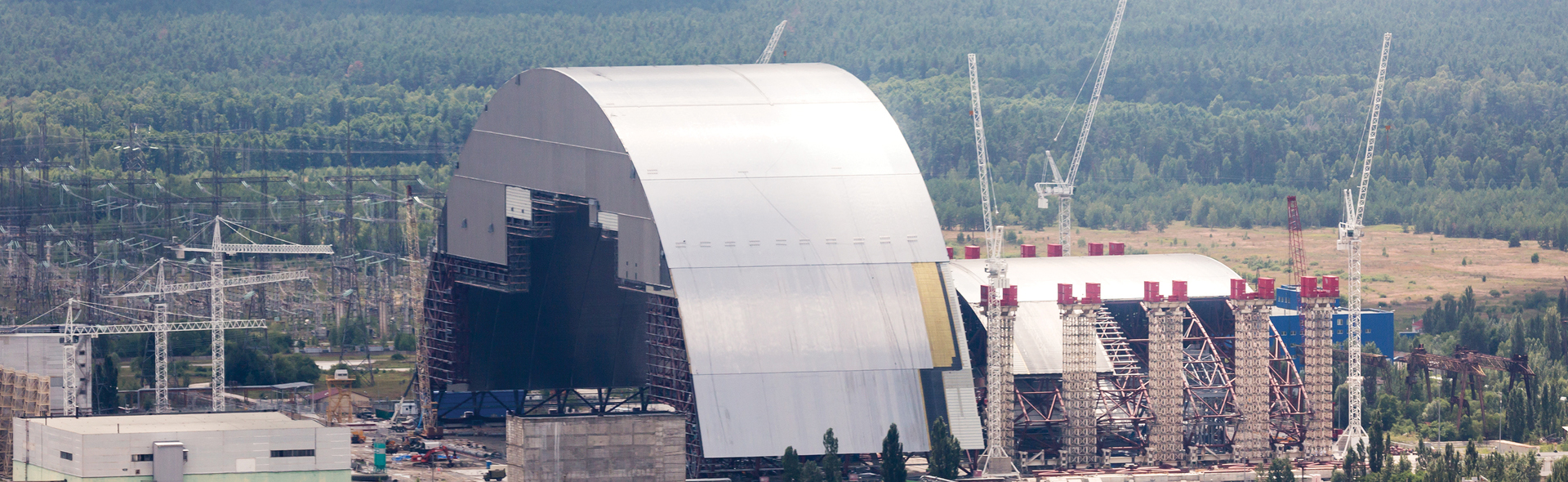
Its purpose was critical: to entomb the crumbling 1986 concrete sarcophagus, prevent further radiological release, and provide a controlled environment for future deconstruction work. As the world's largest movable land structure, the colossal arch spans 257 meters wide, 108 meters high (large enough to house the Statue of Liberty), and weighs 36,000 tons.
For a structure built to endure at least 100 years in a highly corrosive, high-stakes environment, every single component had to meet near-impossible standards of engineering integrity. EJOT was chosen to secure this monumental superstructure.
From EJOT's perspective as a global specialist in fastening technology, the technical parameters of this project presented an unprecedented envelope of complexity:
- Corrosive Atmosphere: The unique microclimate within the containment zone created a highly hazardous, corrosive atmosphere, requiring fixing solutions that could withstand extreme degradation. To prevent structural degradation, the space between the inner and outer walls utilises a continuous, pressurised HVAC system to manage moisture. The fasteners had to withstand this unique internal microclimate alongside intense external weather cycles ranging from -43°C to +45 °C.
- Radiological Variable: Standard material performance metrics do not apply when exposed to radioactive environments. We needed absolute certainty regarding how stainless-steel polymers and sealing washers would behave under prolonged radiation.
- Persistent Radiation: High radiation levels near the ruined reactor meant the massive steel arch had to be constructed a few hundred meters away in a safer zone and later slid into place over tracks.
- Century-Long Longevity: The structure was designed to protect the reactor from external weather, prevent water intrusion, and contain internal contaminants for 100 years without structural failure. The failure of a single micro-component could compromise the airtight seal of the mega-arch.
The EJOT Solution: Tailored Engineering and Rigorous Science
Securing a spot in the Novarka consortium’s supply chain required massive preparation. EJOT dedicated over a year of rigorous technical consultation, advisory services, and intense project-related approval phases led by project specialist Marlon Exner. Because the engineering team could leave nothing to chance, our fastening solutions had to be proven under extreme laboratory conditions before arriving on site.Radiation & Material Longevity Analyses
Before deploying products, specialised engineering reports were commissioned to analyse the precise influence of radiation on austenitic stainless steels and EPDM sealing washers. We verified that our high-grade materials would not suffer from premature embrittlement, stress corrosion cracking, or molecular degradation under the forecasted radiological loads over the next century.
High-Performance Fastener Specification
Ultimately, more than 2.5 million EJOT® fixings were deployed across the vast superstructure, anchoring the protective envelope that shields the environment from the remnants of the nuclear meltdown. Our engineering team specified the EJOT® JT3 self-drilling fasteners, manufactured from premium A2 austenitic stainless steel.
The backbone of this strategy relied on:
- EJOT® JT3 self-drilling fasteners: A2 Austenitic Stainless Steel offers superior resistance to hazardous, corrosive atmospheric elements. Engineered to resist shear and tensile stresses over a guaranteed 100-year lifecycle.
- Seamless Installation Efficiency: The JT3 fasteners allowed workers to drill, thread, and fasten in a single operational step without pre-drilling. In a zone where worker exposure is strictly monitored under the ALARA (As Low as Reasonably Achievable) principle, reducing time-on-tool directly protected human health.
The Result: An Engineering Triumph
In 2016, the completed 36,000-ton confinement arch successfully edged into place over Reactor #4, sealing the crumbling old sarcophagus inside.With the framework tightly secured by millions of EJOT fasteners, the NSC now provides a safe, dry, and secure environment that allows engineers to begin the delicate, long-term work of disassembling the damaged reactor block and safely salvaging the remaining nuclear fuel.
Project Chornobyl stands as a defining milestone in EJOT's history of delivering specialist fastening products to the world's most demanding, high-risk, and corrosive industrial applications. When failure is not an option, the world turns to EJOT.