
Specifying Safety-Critical Anchors for Modern Rail Infrastructure
Rail infrastructure presents one of the most hostile environments for structural fasteners. It is a combination of relentless dynamic loading, low-frequency vibrations from passing rolling stock, and exposure to harsh environmental conditions. For structural engineers and specifiers, choosing anchoring systems for assets ranging from OLE mast foundations to tunnels and cable routes is a safety-critical decision.
At EJOT, our approach revolves around bridging design engineering with intelligent fastening solutions. Our processes and systems are aligned with the rigorous compliance frameworks demanded by the rail sector.
The Unique Stress Profiles of Rail Environments
Securing infrastructure along trackside environments, gantries, and stations requires an understanding of complex stress profiles:- Dynamic and Vibrational Fatigue: Continuous displacement caused by passing trains generates high cyclic loading on signalling equipment and AWS systems. Anchors must maintain consistent clamping force without loosening or suffering material degradation over decades of service.
- Cracked Concrete Performance: Substructures, particularly ageing concrete arches, tunnels, and retaining walls, are prone to micro-cracking under tensile stress. Safety-critical anchors must be fully evaluated and approved for use in cracked concrete to prevent catastrophic pull-out failures during bridge strengthening projects.
- Atmospheric and Galvanic Corrosion: Trackside applications, from overhead gantries to ground-level cable routes, face fluctuating moisture levels, carbonation, and chemical exposure. Selecting the correct material grade is vital to prevent premature structural breakdown.
EJOT’s anchoring solutions are engineered to address these specific vulnerabilities, delivering calculable reliability where it matters most.
Rigorous Compliance & ETA Approvals
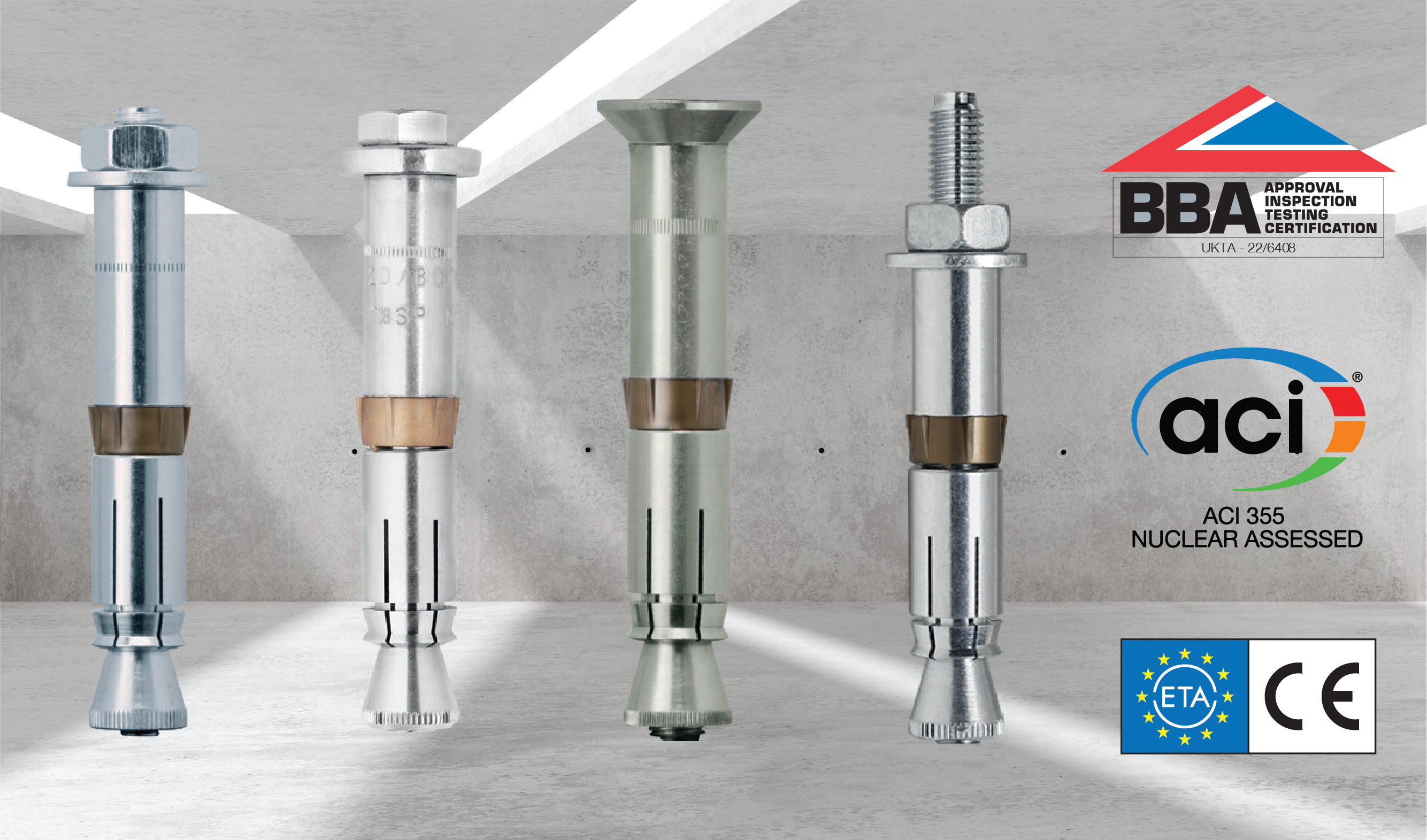
Every safety-critical anchor in our portfolio carries comprehensive European Technical Assessments (ETA), including options for cracked concrete and seismic qualification where required. This provides independent data regarding load-bearing capacities, edge distances, and spacing configurations, ensuring total alignment with BS 8539 and Eurocode 2 design standards.
High Load Performance & Minimal Displacement
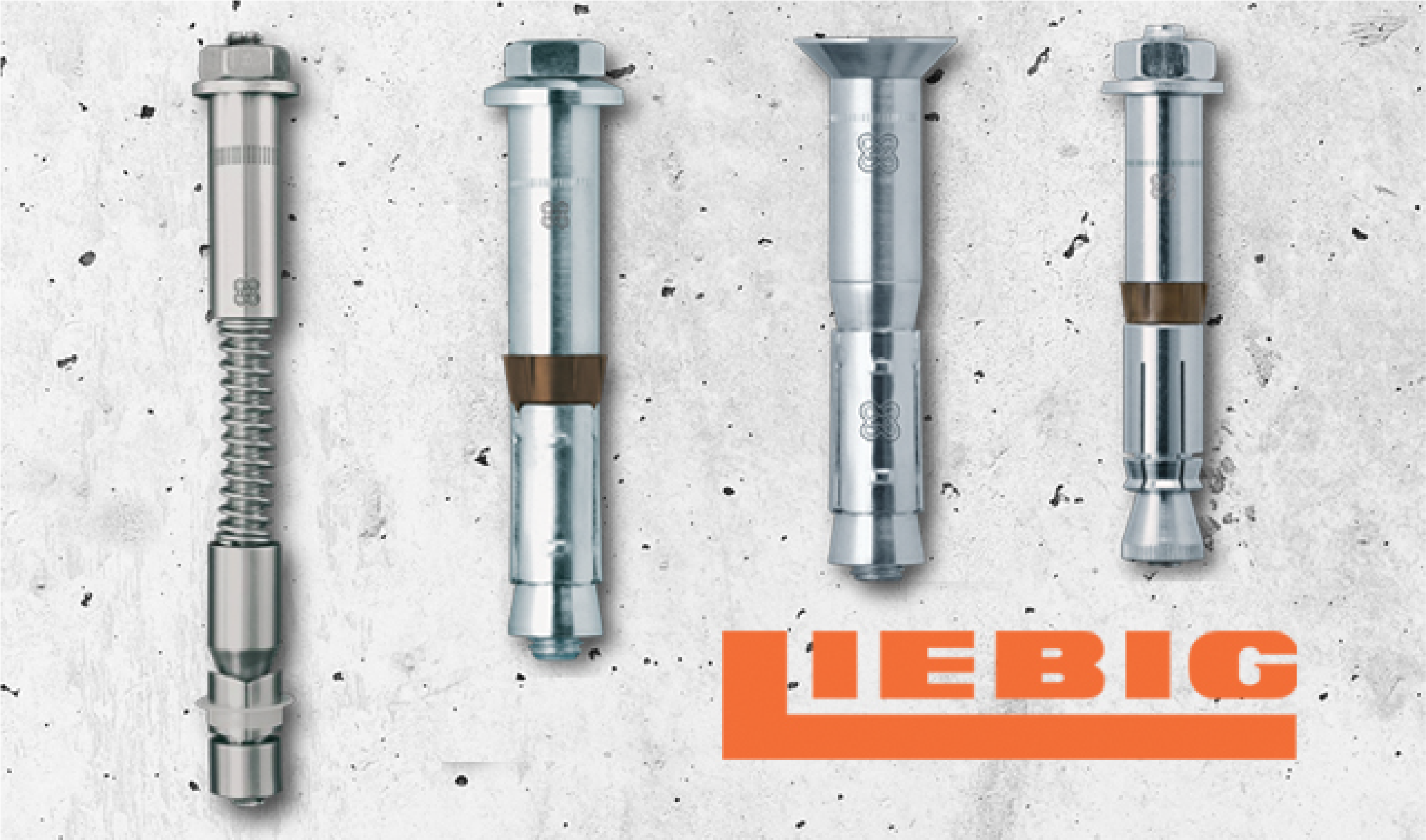
Engineered with optimised expansion cones, our Liebig range achieves high resistance loads in both tension and shear. The expansion mechanisms are designed to distribute stress evenly within the base material, allowing for greater resistance against loads. Whilst our concrete screws allow for closer edge distances and reduced spacing parameters, they still provide for high-load installations like heavy OHLE mast foundations, without risking concrete splitting.
Advanced Chemical Anchoring Systems
For heavy-duty structural retrofitting, bridge strengthening, or installation in challenging substrates, EJOT's chemical injection mortars offer stress-free anchoring. Because chemical systems rely on adhesion / micro keying (interlock) rather than expansion, they are perfectly suited for brickwork, masonry, and older concrete structures frequently encountered across the UK rail network.
Technical Validation: The EJOT APPLITEC® Advantage
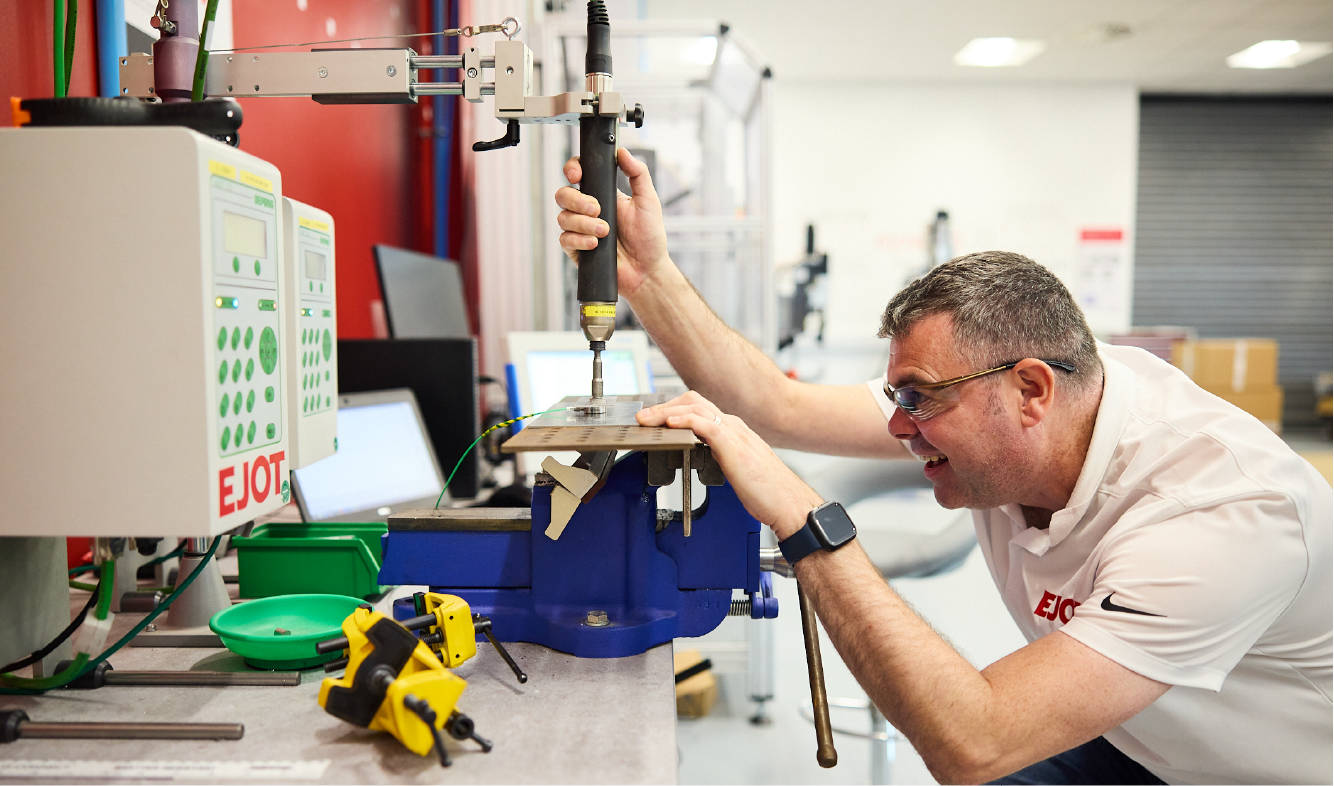
Specifying a fastener involves more than reading a data sheet. To ensure that an anchoring system behaves exactly as predicted under site-specific conditions, EJOT provides total project support through our state-of-the-art APPLITEC® testing centre.- Torque and Clamp Load Measurement: Verifying the precise relationship between installation torque and residual clamp load under simulated operational stresses.
- Tensile and Compression Testing: Subjecting structural assemblies to high-load evaluation to map structural limits.
- Application-Specific Reporting: Delivering comprehensive technical documentation to support engineering sign-offs and compliance folders.