
Self-Drilling Fasteners Guidebook Banner Image - 1920 x 590.png

How are the threads on self-drilling fasteners made?


In this part we would like to show you the basic procedures for screw manufacturing, take you on a journey into the production of EJOT and introduce you to the individual production phases using the example of the EJOT self-drilling screw JT3-18-5.5.
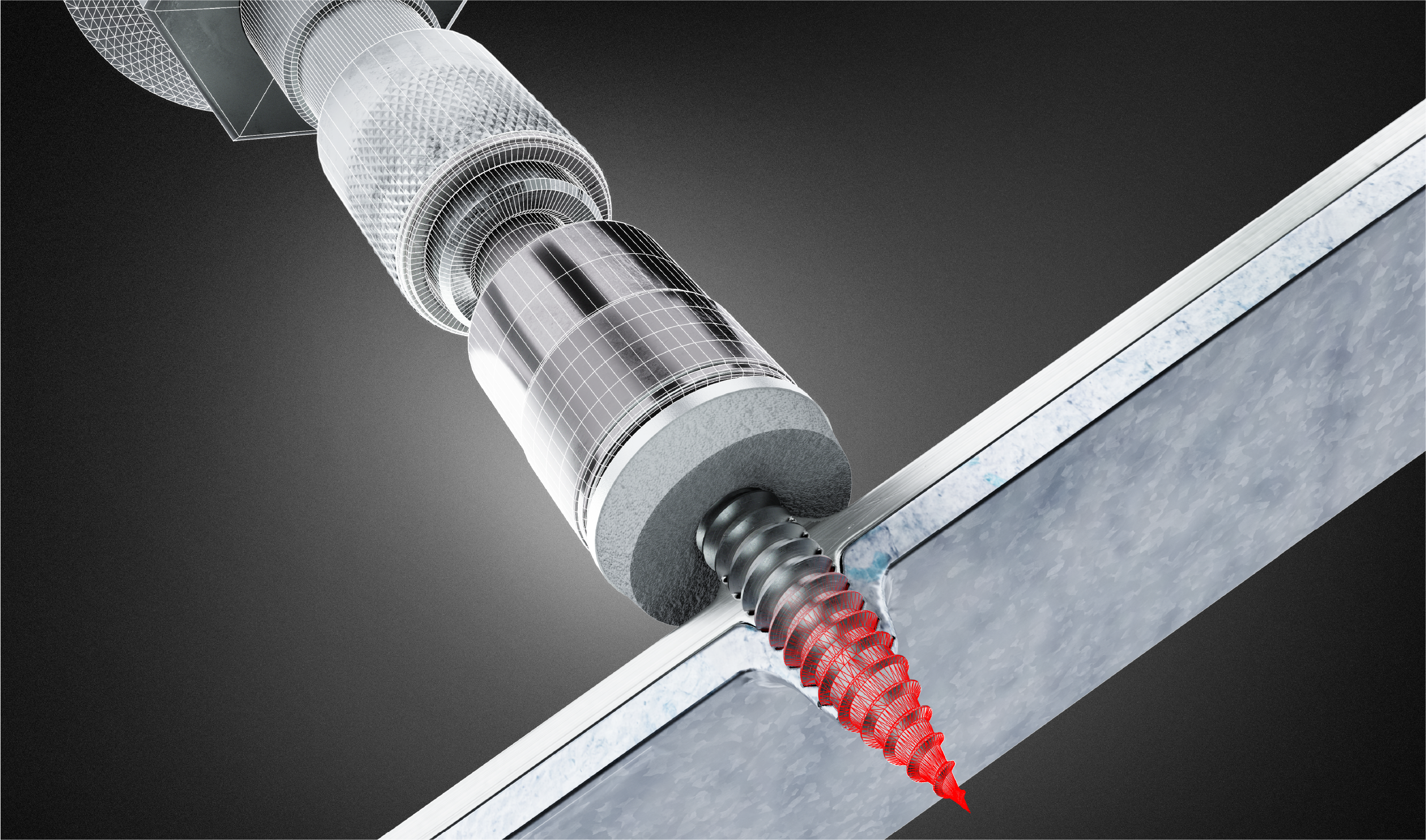
 

Two Manufacturing Processes for Thread Production

First of all, a distinction is made between two different manufacturing processes: machining and forming. Machining plays a rather subordinate role in industrial production It is primarily used for very large screws where the forming process has reached its limits.


Machining Production

In the case of machining (thread cutting), the blank is shaped by milling. The thread is also made this way. The main disadvantage here is the strength of the screws. Machining the blank destroys the grain flow of the raw material, which reduces the load-bearing capacity of the screw.


Forming Production

Forming production (thread-cutting) is the most common type of screw production. Here, we can differentiate between cold forming and hot forming. Most manufacturers use the process of cold forming, so we will take a closer look at this process, which we also use at EJOT.
Meet the Tech Team - 640 x 377 - 72ppi.png

Contact our Construction Team

Got questions? Find sales and technial support by contacting a memeber of our team today…


Get in touch

Self-Drilling Fasteners V2 - 640 x 377.png

View all Self-Drilling Fasteners

EJOT UK offers high-performance self-drilling fasteners in carbon steel, bi-metallic, and stainless steel. Designed for roofing and cladding, these corrosion-resistant screws feature efficient drilling and colour-matching options. They provide versatile solutions for metal, timber, masonry, and concrete applications.


View Entire Range