
Best Practice Guidance

Helpful knowledge and advice from EJOT experts

Rainscreen & Façade Guidebook Image 8.png

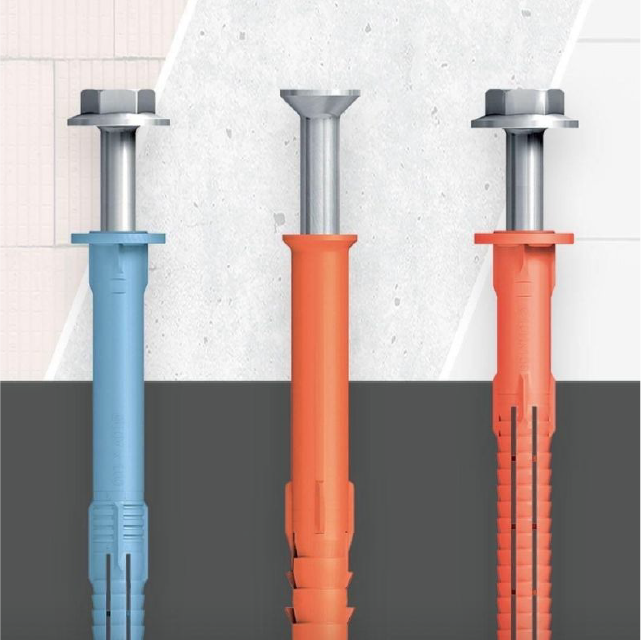
How are EJOT screw set anchors identified and differentiated?

12.01.2026
Rainscreen & Façade Guidebook

Get to grips with EJOT screw set anchors codes...
Rainscreen & Façade Guidebook Image 16.png

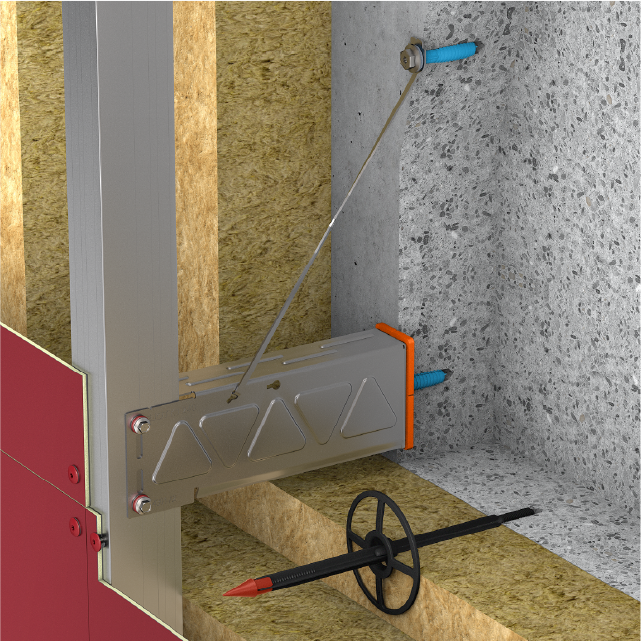
What are fixed and sliding points, and why are they important in façade assembly? Why is unrestrained fastening specified by guidelines and approvals?

12.01.2026
Rainscreen & Façade Guidebook

Facades are exposed to constant fluctuations in temperature. The materials used normally have different coefficients of expansion. It is therefore important to constructively allow for the possibility of thermal changes in length.
Rainscreen & Façade Guidebook Image 11.png

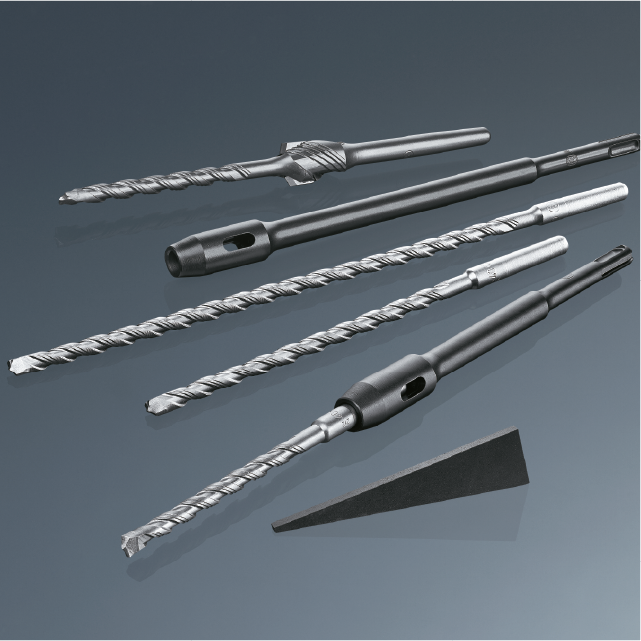
What drilling method should be used for different masonry types?

12.01.2026
Rainscreen & Façade Guidebook

For each type of stone, a drilling process is specified by the approval. This is of vital importance to achieve the pull-out load capacity. In most perforated bricks and in aerated concrete, the drill holes must be created in a rotary drilling process.

Rainscreen & Façade Guidebook Filler Image 3.png

How does a non-load-bearing system differ from a load-bearing system? What is single fastening vs multiple fastening?

12.01.2026
Rainscreen & Façade Guidebook

A non-load-bearing system is a construction which does not contribute to the stability of the building. If the embedment fails, the fastened construction falls down, but the building remains intact.

Rainscreen & Façade Guidebook Filler Image 6.png

When are injection systems used instead of through-bolts? What products does EJOT offer for injection anchoring?

12.01.2026
Rainscreen & Façade Guidebook

Injection systems are used in particular for rainscreen facades, if another anchor no longer achieves the required loads. They allow maximum loads even with thin-walled perforated bricks.

Rainscreen & Façade Guidebook Image 1.png

What is a rainscreen facade? How does it protect buildings?

12.01.2026
Rainscreen & Façade Guidebook

A multi-shell exterior wall construction is referred to as a rainscreen facades. The non-load-bearing facade cladding is attached to the load-bearing wall level at a distance.

Rainscreen & Façade Guidebook Filler Image 7.png

How do you calculate the grip length of a plastic façade anchor? What is the difference between push-through and pre-positioned installation?

12.01.2026
Rainscreen & Façade Guidebook

Based on the details of the total length and the details about the installation depth of the anchor in the substrate, the so-called grip length can be easily calculated...

Rainscreen & Façade Guidebook Image 15.png

What is the CROSSFIX® substructure system, and how does it improve performance?

12.01.2026
Rainscreen & Façade Guidebook

CROSSFIX® by EJOT is a substructure system for the rainscreen facade. The console is made of stainless steel (A4).

Rainscreen & Façade Guidebook Filler Image 8.png

Rainscreen & Façade Most Common FAQs

12.01.2026
Rainscreen & Façade Guidebook

In this article, 15 of the most common FAQs about all things Rainscreen & Façade have been answered by EJOT UK's experts.
Rainscreen & Façade Guidebook Image 12.png

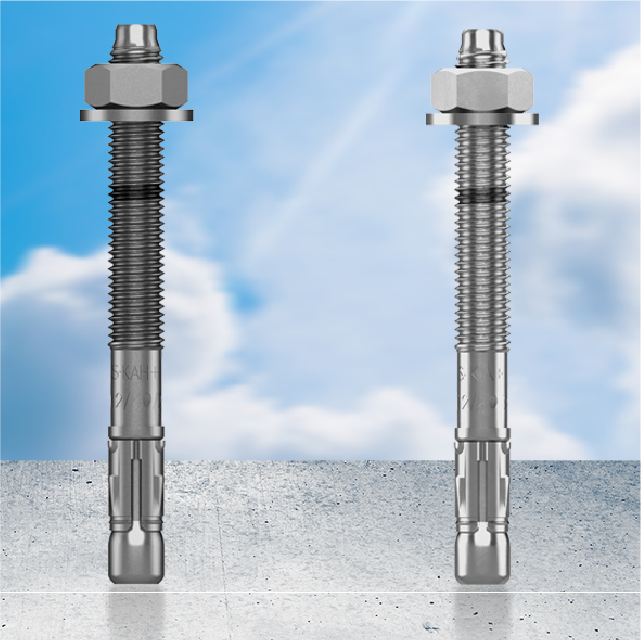
How should through bolts be installed correctly? How do through bolts perform under load, and what design considerations apply?

12.01.2026
Rainscreen & Façade Guidebook

Through bolts achieve their load-bearing capacity even in cracked concrete or in the case of seismic requirements through their aggressive expansion and the ability to expand afterwards.

Rainscreen & Façade Guidebook Filler Image 4.png

What happens if a fastening point fails? What options exist when multiple fastenings aren't feasible?

12.01.2026
Rainscreen & Façade Guidebook

Understand the consequences if a fastening anchor point fails in both a single or multiple use application...

Rainscreen & Façade Guidebook Filler Image 1.png

Which standards and approvals apply to rainscreen façade systems? How does the ETA affect fastener selection and façade safety?

12.01.2026
Rainscreen & Façade Guidebook

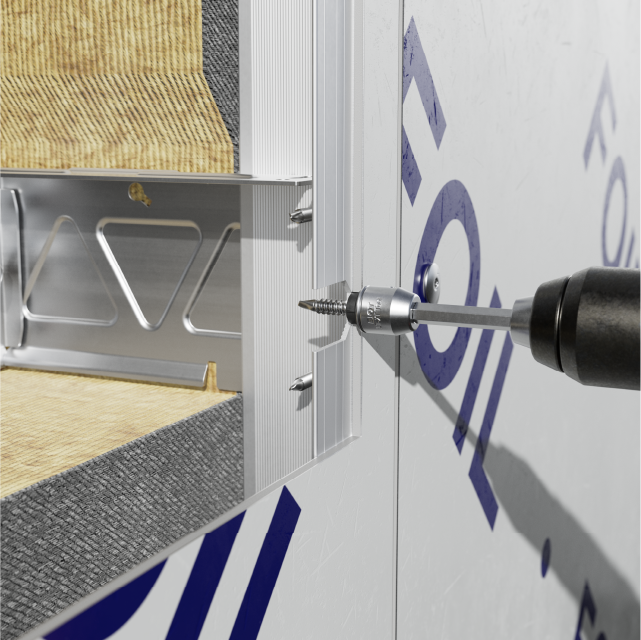
When it comes to the embedment of facade constructions, safety is of prime importance. The use of all EJOT embedment, connector and fastening elements is specified by construction law in an ETA (European Technical Assessment).
Rainscreen & Façade Guidebook Image 2.png

How is a rainscreen façade constructed? What are the design advantages of a rainscreen façade?

12.01.2026
Rainscreen & Façade Guidebook

A rainscreen facade is made up of several layers. The wall brackets are attached to the first layer, the base material.

Rainscreen & Façade Guidebook Filler Image 5.png

How do you determine required anchor length and installation depth? When should anchors be used in a single or grouped configuration?

12.01.2026
Rainscreen & Façade Guidebook

The EJOT plastic anchor, which is approved in Europe, is therefore always sold as a unit. To determine the necessary anchor length, it is important to know the thickness of the attachment to be fastened and the thickness of the non-load-bearing layer.

Rainscreen & Façade Guidebook Filler Image 2.png

What are the benefits of guided embedment connections? How does adhesive bonding differ from other embedment methods?

12.01.2026
Rainscreen & Façade Guidebook

Undercut anchors for concrete or injection systems for perforated bricks generate comparably high tensile capacity due to the guided joint connection with the substrate.

Rainscreen & Façade Guidebook Image 4.png

What are the main embedment mechanisms for rainscreen facades? How does a frictional embedment (expansion) connection work?

12.01.2026
Rainscreen & Façade Guidebook

There are three different embedment mechanisms that form the basis for attaching a rainscreen facade: by frictional connection through expansion, guided connection through undercuts or adhesive bond through composite.
Rainscreen & Façade Guidebook Image 17.png

What is unrestrained fastening and why is it necessary? What features does the EJOT® LT system offer for facade fastening?

12.01.2026
Rainscreen & Façade Guidebook

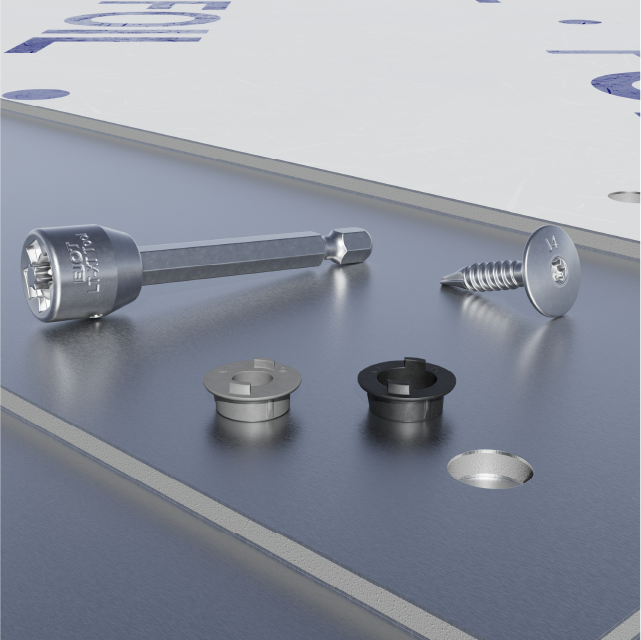
The necessity of an unrestrained fastening is not only specified by design guidelines, approvals and assembly guidelines, but is important for the later appearance of the façade.